

4 min read
In remote operations, change is expected. Yet while projects evolve, village services don’t always evolve at the same pace. Greenfield projects are a good example. The requirements during early construction can look very different from those of a fully operational village.
This is where a solutions-focused partner can adapt services to each stage. From fly camps and construction camps through to fully operational villages, the right approach can evolve as the project does.
The providers that consistently perform well over the life of a project tend to share one characteristic: they adapt as operational requirements evolve.
Project growth is often associated with larger workforce numbers, but additional headcount is only one part of the picture.
As projects mature, catering teams respond to changing roster patterns, new contractors, evolving client priorities, and higher workforce expectations. Accommodation services, housekeeping, maintenance, and logistics also become more interconnected, meaning a change in one area can have flow-on effects across the village.
These pressures rarely emerge all at once. They build gradually over time, increasing the coordination required to keep operations running smoothly.
Supporting a larger workforce is one challenge. Maintaining operational efficiency as complexity grows is another.
Increasing workforce numbers doesn’t automatically create operational pressure. The real test is whether the systems, processes, and people supporting the village can adapt as requirements change.
Additional resources play an important role, but they work best when supported by strong operational planning, established supply networks, and experienced mobilisation teams.
At the Waitsia Gas Project, what began as a 12-month engagement evolved into a five-year partnership as the workforce expanded from around 250 personnel to almost 400. Rather than simply increasing capacity, Cater Care introduced overflow dining facilities, upgraded the catering offering, expanded support services, and refined operational processes to meet the site’s changing requirements.
The result wasn’t simply a larger operation. It was a service that continued evolving alongside the project.
The operational challenges that place the greatest pressure on village services are often the cumulative effect of dozens of small changes that gradually reshape how a site operates.
Site leaders may spend more time coordinating suppliers than leading operations. Mobilisations require more manual intervention. Reporting becomes increasingly reactive. Small service issues begin appearing across different parts of the village, because the original operating approach no longer aligns with the realities of the site.
Recognising these patterns early creates opportunities to refine the service before they begin affecting productivity, workforce experience, or operational performance.
Adaptability shapes how successfully new services are introduced and operational change is managed, and sometimes it’s tested from day one.
When Cater Care commenced services at Chinova Resources, the priority was delivering a seamless transition while introducing meaningful improvements from day one. Refreshed dining experiences, upgraded accommodation presentation, and a carefully planned mobilisation allowed the site to continue operating while improvements were implemented.
This reflects another aspect of scalability: introducing change without disrupting day-to-day operations.
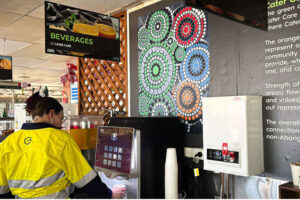
As projects mature, opportunities often shift from increasing capacity to improving how the village supports the people who live and work there.
At Lake Vermont, Cater Care partnered with the client to transform the mine site’s dining environment into a modern, welcoming space designed to enhance the resident experience. The project wasn’t driven by operational issues or increased occupancy. It reflected a shared commitment to continually improving the environment as workforce expectations evolved.
Long-term partnerships benefit from the same mindset. Regularly reviewing service delivery helps ensure village operations continue supporting the changing needs of the project, rather than relying on an approach developed years earlier.

Whether your project is expanding, transitioning into operations, or simply evolving over time, it’s worth periodically reviewing whether your current village services approach is still aligned with your operational needs.
A few questions worth asking before your next project review:
The best time to review village services is while operations are performing well, not after changing project requirements have begun creating unnecessary complexity. As projects evolve, the way village services are delivered should evolve too.
Whether you’re mobilising a new site, preparing for workforce growth, or reviewing an existing village services contract, having an experienced partner can make it easier to plan for what’s next.
Hayley and Brad work closely with remote operations across Australia and understand the practical challenges of supporting projects through every stage of their lifecycle. If you’re considering how your village services approach will support the next phase of your project, they’re ready to chat.


