In the three years from July 2019 to June 2022, Australians aged 65 and over were the most commonly hospitalised age cohort for heat-related injuries.1,2 In fact, extreme heat causes more deaths in Australia than any other natural hazard. As summer temperatures climb, hydration becomes a life-saving defense for older Australians.
Older adults are uniquely vulnerable to heatwaves for several physiological reasons. As we age, our body’s ‘thirst signal’ weakens, meaning many seniors don’t feel thirsty until they are already significantly dehydrated. Additionally, the body’s total water content naturally decreases over time, leaving less buffer for when temperatures soar.
Beyond biology, other clinical factors play a role in hydration:
Tip: Ageing Australians should consult their GP to adjust their health plans to ensure they’re prepared to address increased hydration needs in heatwaves and hot weather generally.
1: Build a routine, not a reaction
Waiting for thirst is too late. Hydration must be proactive. We recommend implementing a routine of frequent, small drinks rather than large amounts infrequently.
2: Fluids, foods, and choice
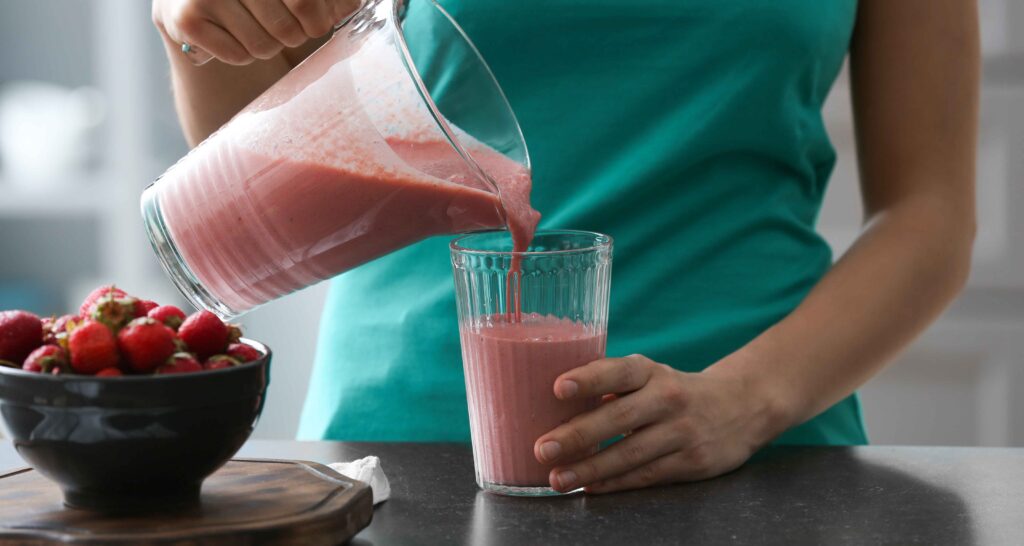
A common misconception is that only plain water counts. While the general guideline for ageing Australians is roughly 2 litres (8+ cups) a day, this can also come from water-rich foods and varied fluids.
Tip: Limit alcohol and highly caffeinated drinks during peak heat, as these can increase fluid loss.
3: Environment and accessibility
Physical access is often the biggest barrier to hydration. In aged care homes, ensure fluids are always within easy reach of a resident’s favourite sitting place. Along with this, use easy-to-handle cups or straws for those with arthritis or dexterity issues. It’s got to be easy to access.
For those caring for older adults, if air conditioning is unavailable, seek cool hubs like local libraries or shopping centres. At home, simple techniques like using a wet cloth or bandana on the neck can significantly aid the body’s cooling process.
The outcomes of severe dehydration are serious, ranging from kidney stress to heatstroke. However, early signs can be subtle. Look for:
Dehydration is a leading contributor to falls. When fluid levels drop, blood pressure can plummet when a person stands up (orthostatic hypotension), leading to sudden fainting or balance loss.
Tip: In a heatwave, a glass of water is often the first line of defense against a broken hip.
Managing these complexities requires more than giving each resident a full water jug at the start of each day; it requires proactive, personalised care. Your care teams need expert support and knowledge to ensure meals and fortified drinks comply with safety regulations while remaining enticing.
At Cater Care, our dedicated dietitians integrate these vital nutrition and hydration strategies into our training and seasonal menus. Our onsite teams support your care/clinical teams to help ensure residents receive the highest standard of support in every season.
Get in touch with Jonathan Storer below to partner with Cater Care to safeguard your community this summer.